When outfitting a camper van for off-grid living, reliable, lightweight, and safe battery solutions are essential. This guide highlights high-capacity LiFePO4 deep-cycle options from trusted brands, with real-time monitoring, robust BMS protection, and low-temperature resilience. Each entry includes core features and practical notes for van life, so you can compare performance, weight, and longevity at a glance.
| Product | Brand | Key Benefit | Approx. Capacity (Ah) | Link |
|---|---|---|---|---|
| ECO-WORTHY 3584Wh 12V 280Ah | ECO-WORTHY | Large capacity with built-in BMS | 280 | Amazon |
| LiTime 12V 50Ah | LiTime | Ultra-light and easy to handle | 50 | Amazon |
| LiTime 2Packs 12V 100Ah | LiTime | Flexible 2-pack for higher capacity | 100 | Amazon |
| Litime 12V 200Ah Plus | LiTime | High capacity with durable BMS | 200 | Amazon |
| Timeusb 24V 100Ah | Timeusb | Compact 24V option with 2x energy | 100 | Amazon |
The table above reflects a mix of single- and multi-pack configurations suitable for camper van systems, solar setups, and off-grid use. All selections are LiFePO4-based for better safety, longer lifespan, and lighter weight compared to traditional lead-acid batteries.
ECO-WORTHY 3584Wh Battery For RVs And Vans

The ECO-WORTHY battery delivers 280Ah at 12V (approximately 3.5kWh), paired with a built-in 200A BMS and low-temperature protection. Real-time monitoring via the ECO-WORTHY app lets users track voltage, current, and remaining capacity, enabling proactive maintenance. A high-strength internal metal frame supports shock resistance and durability, while low-temperature cutoffs prevent charging below critical temperatures to safeguard cell health.
LiTime 12V 50Ah Lithium Battery
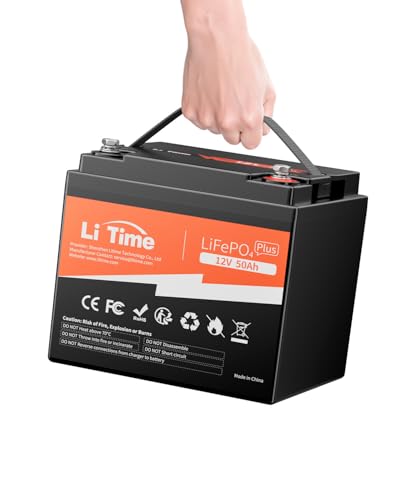
Weighing only about 11.57 pounds, this LiFePO4 battery is designed for easy transport and installation in tight van spaces. It provides longer run-time with 100% usable capacity and a robust built-in BMS for safe operation. The cells are EV-grade LiFePO4, delivering stable performance and protection against common failure modes, making it a practical choice for compact RV electrical systems.
LiTime 2Packs 12V 100Ah
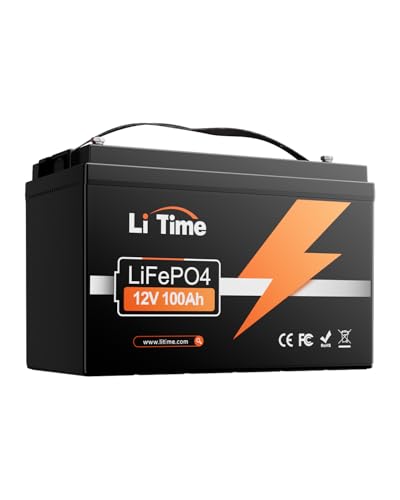
This two-pack configuration uses Grade A LiFePO4 cells, with a design intended for higher energy density and safety verified by UL testing. It supports 4000–15000 cycles depending on depth of discharge, and the lithium chemistry provides a lighter weight (roughly 24 pounds per module) compared with lead-acid. The package includes a robust BMS with multiple protections to support long-term RV use and off-grid reliability.
Litime 12V 200Ah Plus Battery

This 200Ah LiFePO4 battery features a built-in 200A BMS with 20+ protection functions, including overcharge and over-discharge safeguards. It emphasizes high efficiency with up to 95% usable capacity and a long lifespan of up to 15,000 cycles under favorable usage conditions, reducing maintenance needs for camper van electrical systems.
Timeusb 24V 100Ah Battery

This 24V system offers 2X energy compared to a 12V 100Ah battery and can directly replace two 12V 100Ah units in series, simplifying wiring. It uses automotive-grade LiFePO4 cells with ultra-low self-discharge and a protective BMS that covers overcharge, over-discharge, over-current, short circuit, and high temperature. The compact design suits vans seeking efficient 24V integration and space savings.
Buying Guide: Key Considerations For Camper Van Batteries
- Voltage and system compatibility: Most camper van setups use 12V or 24V systems. Choose a battery that matches your electrical architecture or plan for series/parallel configurations to reach the needed voltage and capacity.
- Capacity and depth of discharge (DOD): Higher Ah rating and deeper DOD deliver longer runtime between recharges. LiFePO4 commonly offers 80–100% usable capacity, far above lead-acid constraints.
- Weight and space: LiFePO4 cells are lighter than lead-acid, improving van payload and installation flexibility. Assess space in your van’s battery compartment and mounting requirements.
- Battery management system (BMS): A robust BMS with protections for over/under voltage, overcurrent, short-circuit, and temperature is essential for safe operation in mobile environments.
- Cold weather performance: Low-temperature protection helps prevent charging damage in chilly mornings. Consider batteries with proven cold-weather behavior if you camp in winter.
- Monitoring and integration: Real-time monitoring via app or onboard displays can simplify maintenance, alert you to issues, and optimize charging cycles with solar or alternator inputs.
- Expandability: If you anticipate growing your off-grid setup, choose modular LiFePO4 options (single units or multi-pack configurations) that scale without significant rewiring.
- Certification and safety: Look for UL/industry certifications and compliance, particularly for high-capacity systems used in mobile homes and RVs.
- Maintenance and longevity: LiFePO4 batteries typically require less maintenance and offer longer lifecycles than lead-acid, reducing long-term ownership costs.