Color-tinted lenses designed for driving can reduce glare, boost contrast, and protect eyes in low-light conditions. This guide reviews five top options that are frequently used for night driving, rain, fog, and dusk driving. Each product is evaluated for glare reduction, UV protection, lens technology, and frame comfort to help you choose a reliable pair for safer nighttime journeys.
Summary Of Chosen Products
| Product | Brand | Lens Type | Key Benefit | URL |
|---|---|---|---|---|
| ZENOTTIC Night Vision Glasses | ZENOTTIC | Yellow Night Vision | Anti-glare, UV400 protection, lightweight | Amazon |
| Myiaur Polarized Night Vision Glasses | Myiaur | Yellow Polarized | Enhanced contrast, anti-glare for night travel | Amazon |
| LUENX Night Vision Driving Glasses | LUENX | Yellow Polarized | Blue-light filtering, high-glare reduction | Amazon |
| HCYCFY Photochromic Driving Sunglasses | HCYCFY | Photochromic (Adaptive) | All-weather adaptability, polarized protection | Amazon |
| LVIOE Night Driving Glasses | LVIOE | Yellow Polarized | Anti-glare, enhanced contrast for night and fog | Amazon |
ZENOTTIC Night Vision Glasses For Driving
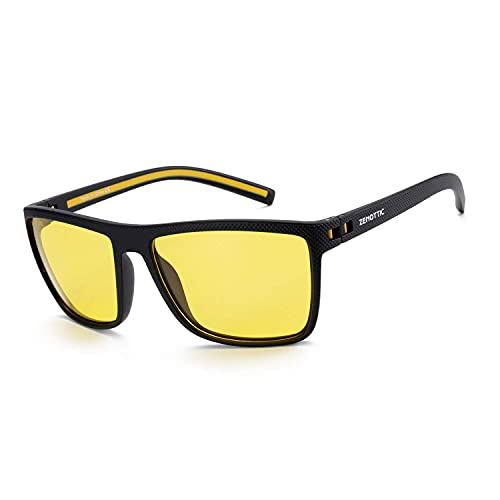
ZENOTTIC offers anti-glare yellow lenses designed to improve night visibility by reducing glare from oncoming headlights and road reflections. The UV400 TAC coating blocks UVA and UVB rays, helping to preserve eye health during prolonged night driving. The lightweight TR90 frame with non-slip nose pads and flex hinges provides comfort for extended wear, making them suitable for rainy, foggy, or dark driving conditions where visibility is critical.
Use case highlights: urban night commutes, long nighttime highway driving, and adverse weather where glare is a primary concern. These features work together to restore better color perception and reduce scattered light that can obscure road details.
Myiaur Polarized Night Vision Glasses For Women

Myiaur’s design emphasizes anti-glare technology with a yellow lens that enhances contrast in dim light. The polarized yellow lenses help distinguish obstacles, pedestrians, and vehicle contours more clearly, contributing to safer nighttime travel. The glasses are described as versatile for various nighttime activities, including city driving, cycling, and commuting, making them a practical go-to for mixed lighting conditions.
With UV400 protection and polarization, these glasses aim to lower eye fatigue while maintaining color fidelity. The all-weather flexibility means they can be worn in dusk or misty environments where vision can degrade quickly, supporting safer decision-making on the road.
LUENX Night Vision Driving Glasses

LUENX pairs a durable stainless-steel frame with a yellow polarized lens offering both glare reduction and blue-light filtering. This combination aims to preserve color perception while improving contrast during night driving, fog, and poor weather. The upgraded frame design includes spring hinges for comfortable wearing and a secure fit across different face shapes, supporting longer driving sessions without pressure or headaches.
Key advantages include protection against harsh headlights, enhanced nighttime clarity, and a lightweight build. The lenses reduce glare from streetlights, billboards, and other bright sources, making it easier to detect hazards at night when visibility is often compromised.
HCYCFY Photochromic Driving Sunglasses

HCYCFY offers photochromic lenses that automatically adjust tint in response to UV light, darkening outdoors and remaining transparent indoors. This adaptive feature provides all-day usability, reducing the need to switch between pairs as lighting conditions change. The lenses are lightweight, made from polycarbonate, and feature polarization to minimize glare from reflective surfaces like roads and water.
For driving, the lenses help with rapid transitions from sunlit to shaded areas, such as tunnels or tree-lined roads, while maintaining protection against UV exposure. The design targets urban and outdoor use, including cycling and sports where variable lighting is common.
LVIOE Night Driving Glasses
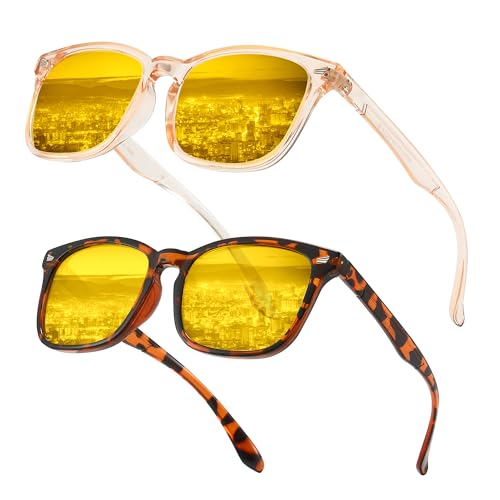
LVIOE’s yellow polarized lenses are designed to reduce glare from headlights and street lamps, enhancing contrast and depth perception in low-light conditions. The lightweight frame and established nose pad design provide a secure, comfortable fit for long drives in rain, fog, or dusk. The emphasis is on improved nighttime clarity and eye comfort for drivers who frequently contend with challenging lighting.
Buying Guide: Key Purchase Considerations For Driving Color Lenses
When choosing color lenses for driving, consider how lens tint, polarization, material, and fit influence performance and comfort. Below are critical factors and how they affect real-world use:
- Lens Tint And Contrast: Yellow-tinted lenses generally improve contrast in low light and can reduce glare from oncoming headlights. Consider the level of tint that best suits your typical driving conditions (urban night driving vs. rural roads with glare from reflective surfaces).
- Polarization: Polarized lenses reduce glare from horizontal surfaces such as roads, water, and snow. This is especially helpful in dawn, dusk, and rainy conditions, but note that polarized lenses can interfere with some digital screens during wear.
- UV Protection: UV400 or higher protection blocks UVA and UVB rays, protecting eye health even at night when UV exposure is lower but not negligible for long periods outdoors.
- Adaptive Lenses: Photochromic or transition lenses adjust tint with light exposure. They’re versatile for mixed lighting but may not deepen adequately in very bright conditions indoors or in bright cabins of vehicles with infrequent sunlight.
- Frame Comfort And Fit: Lightweight frames with flexible hinges and ergonomic nose pads reduce pressure and headaches on long drives. Consider a secure fit for windy, moving vehicles and for people who wear glasses or sunglasses regularly.
- Durability And Material: TR90 frames are lightweight and resilient, while stainless steel frames offer durability. Choose materials that suit your daily activities and climate (humidity, heat, and sweat).
- Usage Scenarios: Night driving, rainy or foggy nights, and urban exploration each benefit from different combinations of tint, polarization, and weight. Decide which scenarios you frequent to tailor your choice.
- Maintenance: Clean with microfiber and avoid abrasive cleaners to preserve coatings. Check for coating wear over time, especially if lenses are frequently exposed to bright headlights or reflective surfaces.
- Color Perception: Remember that color fidelity can vary with tint. Yellow lenses can alter color perception; assess whether this impacts your driving style or needs (e.g., reading dashboard indicators).
In summary, the best color lens for driving balances glare reduction, contrast enhancement, eye protection, and comfort. If you drive mainly at night or in fog, a yellow polarized or anti-glare solution typically delivers the strongest performance. For all-weather versatility, consider photochromic options with polarization to adapt as lighting changes throughout the day.