Choosing effective heat and sound insulation can dramatically improve in-car comfort. The following selections focus on closed-cell foam, aluminum foil finishes, and self-adhesive layers that block radiant heat, reduce road and engine noise, and resist moisture. This guide highlights top-rated options, compares coverage and thickness, and offers practical tips for installation and long-term performance.
| Product | Thickness | Coverage | Finish |
|---|---|---|---|
| Siless Liner 157 mil (4 mm) – 36 sqft | 157 mil (4 mm) | 36 sqft | AluFoil/PE Foam |
| Storystore 394 mil – 16.5 sqft | 394 mil | 16.5 sqft | Standard |
| Car Heat Sound Deadening 394 Mil – 10.8 sqft | 394 mil | 10.8 sqft | Aluminum Foil |
| Siless Liner 157 mil – 36 sqft (AluFoil Finish) | 157 mil | 36 sqft | AluFoil/PE Foam |
| FADUOALI Car Heat Sound Deadening – 108 sqft | 394 mil | 108 sqft | Aluminum Foil |
Siless Liner 157 (4 mm) – 36 Sqft
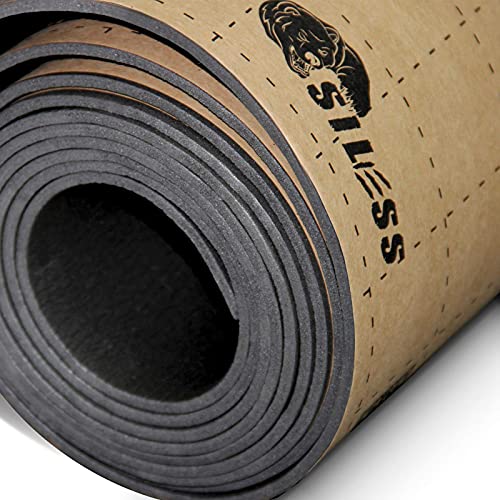
The Siless Liner 157 mil closed-cell polyethylene foam offers oil and water resistance with an adhesive layer for easy installation. Its aluminum or PE finish choices improve thermal insulation by reflecting radiant heat, while the closed-cell structure resists moisture and odors. The material is lightweight and flexible, making it suitable for doors, floors, trunks, and the engine bay. A balance of heat blocking and vibration reduction helps maintain cabin comfort during hot summers and cold winters.
Storystore 394 Mil – 16.5 Sqft

This high-performance mat provides significant sound deadening and heat insulation for automotive applications. With a nominal thickness of 394 mils and a 39×60 inch sheet format, it offers substantial coverage for critical areas such as the hood, doors, and trunk. Its material blocks thermal radiation and helps keep interior temperatures more comfortable, reducing engine heat transfer and road noise for a quieter ride.
Car Heat Sound Deadening 394 Mil – 10.8 Sqft

Designed for automotive use, this mat features a 394 mil thickness and an aluminum foil finish. It provides effective heat blockage and vibration damping, helping to maintain a cooler cabin in summer and a warmer interior in winter. The self-adhesive, closed-cell foam formulation resists moisture and odors, making it suitable for hoods, roofs, doors, and trunks where heat transfer is a concern.
Siless Liner 157 Mil (AluFoil Finish) – 36 Sqft

The aluminum foil finish adds a reflective layer to the Siless Liner, boosting resistance to radiant heat. Like its non-AluFoil counterpart, it uses a closed-cell polyethylene foam with an adhesive layer for quick application. It blocks up to 98% of radiant heat transfer and remains lightweight, waterproof, and odor-free. Ideal for automotive floors, doors, trunks, and panels where heat and vibration are concerns.
FADUOALI Car Heat Sound Deadening – 108 Sqft

FADUOALI offers a large-area option with a 394 mil thickness and aluminum foil finish. This mat covers broader sections of a vehicle, such as the hood, roof, doors, and trunk. The adhesive, closed-cell foam is waterproof and odor-free, delivering robust heat denial and noise reduction across expansive spaces. Suitable for DIY installations seeking comprehensive thermal management and quieter cabin acoustics.
Buying Guide: Key Considerations For Choosing Car Insulation
- Thickness and coverage: Thicker mats generally deliver better heat blocking and sound dampening, but require more space and labor. Match thickness to the area’s heat exposure and available surface.
- Finish and material: Aluminum foil finishes reflect radiant heat and can improve thermal performance. PE foam cores offer moisture resistance and lightweight handling.
- Adhesive strength: Self-adhesive liners simplify installation. Ensure the adhesive can endure temperature fluctuations without peeling.
- Moisture and odor resistance: Closed-cell foams resist water absorption and odors, contributing to long-term durability in humid or variable climates.
- Flexibility and ease of installation: Flexible sheets conform to curved surfaces. Consider pre-scored or cuttable sheets for complex shapes like hood contours and door panels.
- Heat range: Verify temperature tolerance for automotive environments. Materials rated from sub-freezing to high-heat ranges are preferable for engine bays and exhaust proximity.
- Application areas: Prioritize areas with the most heat transfer and noise exposure, such as engine bays, floors, doors, trunks, and wheel wells, to maximize comfort gains per square foot.
- Durability and maintenance: Look for products that resist aging, UV exposure, and chemical solvents found in automotive environments.
- Cost versus coverage: Compare price per square foot and total installed area. Higher thickness or superior finishes may justify higher upfront costs for long-term benefits.
- Warranty and reviews: Check product warranties and user reviews for real-world performance, installation ease, and longevity.