Motor oil additives can help reduce friction, prolong engine life, and improve overall performance. This guide highlights five highly regarded products that address wear, fuel efficiency, and smooth operation. Each section provides a concise overview, feature highlights, and practical considerations to help you choose the right additive for your vehicle.
| Product | Brand | Key Benefit | Volume |
|---|---|---|---|
| Liqui Moly MoS2 Anti-Friction Engine Treatment | Liqui Moly | High-load film, quieter and more controlled high RPM operation | 300 ml |
| LIQUI MOLY Motor Oil Saver | Liqui Moly | Reduces oil consumption and leaks, cleaner exhaust | 300 ml |
| Prolube Oil Treatment (1QT) | Prolube | Quieter, smoother engine, higher efficiency, reduced wear | 1 Quart |
| Lucas Oil 10063 Engine Break-In Additive | Lucas Oil | Faster break-in and reduced blow-by for new motors | 16 oz |
| Lucas Oil 10118 High Mileage Stabilizer | Lucas Oil | Reduces wear in older engines, minimizes noise and consumption | 1 Quart |
Note: This overview excludes pricing and focuses on product features and practical use cases to help you compare options quickly.
Liqui Moly MoS2 Anti-Friction Engine Treatment

Overview: This universal motor oil additive forms a high-load lubricant film on all friction surfaces, reducing metal-to-metal wear under high RPM. The MoS2 composition helps lower friction, which can translate to improved engine response and quieter operation. Suitable for a wide range of gasoline and diesel engines, it can be used with most conventional motor oils without needing a mix-specific ratio.
Key considerations: Ideal for high-performance engines or those experiencing elevated RPM, particularly in hot climates or heavy-duty scenarios. Users should follow manufacturer guidelines for dosing and ensure the oil is within the vehicle’s service specifications. Potential benefits include smoother idle, enhanced throttle response, and reduced noise in demanding driving conditions.
LIQUI MOLY Motor Oil Saver

Overview: The Oil Saver aims to reduce oil consumption and prevent common oil-related issues by sealing minor leaks and protecting elastomeric seals. It also helps curb blue or smoky exhaust and can improve overall engine cleanliness by stabilizing oil pressure and reducing vaporization under normal driving conditions.
Key considerations: Best suited for engines with slight oil loss or older seals showing signs of wear. It is not a substitute for a proper gasket repair but can complement regular maintenance. Always verify compatibility with your oil type and OEM recommendations.
Prolube Oil Treatment (1QT)

Overview: Prolube’s oil treatment is designed to maximize engine performance by reducing wear, noise, and vibrations while enhancing fuel economy and horsepower. It also supports smoother operation in both daily driving and heavy-duty conditions and is formulated to protect transmission and differential lubrication as well.
Key considerations: Suitable for engines experiencing high friction or seeking a smoother, quieter ride. The product claims notable wear reduction and efficiency gains, but real-world results depend on engine condition, oil type, and operating conditions. Check compatibility with your current oil viscosity and engine model.
Lucas Oil 10063 Engine Break In Oil Additive

Overview: This additive features an exclusive blend of extreme pressure additives designed for new motors and flat tappet camshafts, making it a popular choice during break-in and for race applications requiring extra protection. It is engineered to support rapid seating of components and reduce blow-by during early engine life.
Key considerations: Primarily aimed at new or recently rebuilt engines and performance builds. Use according to the product’s break-in protocol and manufacturer guidance. It’s a specific use-case additive rather than a general maintenance supplement for long-term use.
Lucas Oil 10118 High Mileage Oil Stabilizer
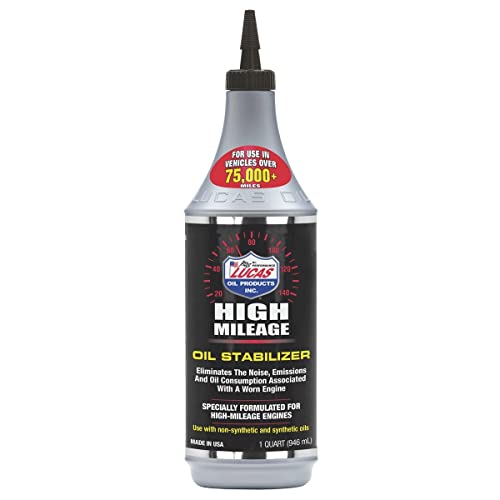
Overview: High Mileage Stabilizer is designed to lubricate all internal parts of older engines, reducing wear and addressing noise and emissions associated with worn components. It complements high-mileage engines by helping to maintain oil pressure and reduce consumption, promoting smoother operation over time.
Key considerations: Particularly relevant for engines with a long service history, higher wear, or increased oil consumption. It may be used alongside conventional oils to help extend engine life, but results can depend on engine condition and maintenance history.
Buying Guide: Key Purchase Considerations For Motor Oil Additives
- Engine condition and age: Choose formulations aligned with your engine’s lifecycle—newer engines often benefit from break-in or friction-reducing additives, while high-mileage engines may prioritize wear protection and oil consumption control.
- Oil compatibility: Confirm that the additive is compatible with your current oil type (synthetic, conventional, or a blend) and viscosity. Some products are designed to work universally, while others target specific oil types.
- Primary benefit target: If you want reduced friction and smoother high-RPM performance, MoS2-based or ceramic wear protection can be beneficial. For oil consumption and leak prevention, sealing and stabilizing additives are preferable.
- Usage scenario: Consider daily commuting, towing, or racing/track use. Heavy-duty or performance driving often demands higher protection or break-in solutions, while routine maintenance may focus on longevity and efficiency.
- Maintenance integration: Additives should be considered as part of a broader maintenance plan, including regular oil changes, filter replacement, and addressing any existing leaks or engine noises.
- Safety and compatibility: Always follow the manufacturer’s instructions for dosing and avoid mixing incompatible products. If in doubt, consult a qualified technician.
- Expected outcomes: Remember that results vary by engine design, operating conditions, and maintenance history. Additives typically enhance lubrication, reduce wear, or improve efficiency, but they are not substitutes for proper maintenance.