Choosing the right motor oil for hot-weather conditions helps prevent heat-induced wear, reduces friction, and keeps engines running smoothly in high temperatures. The following selections cover a range of vehicles—from classic cars to small engines—offering viscosity grades suited to heat and the protective additives that matter most when temperatures spike. This guide highlights key features and what to look for in hot weather oil choices.
| Product | Brand | Viscosity | Type |
|---|---|---|---|
| Lucas Oil 10684 Hot Rod & Classic Car HP Motor Oil SAE 20W-50 | Lucas Oil | 20W-50 | Synthetic Blend |
| Valvoline European Vehicle Full Synthetic 5W-40 | Valvoline | 5W-40 | Synthetic |
| Castrol GTX High Mileage 20W-50 | Castrol | 20W-50 | Synthetic Blend |
| Lucas Oil 10679 Hot Rod & Classic Car SAE 10W-30 | Lucas Oil | 10W-30 | Synthetic Blend |
| Briggs & Stratton SAE 5W-30 Synthetic Small Engine | Briggs & Stratton | 5W-30 | Synthetic |
Note: The table above summarizes oils selected for hot-weather performance across gasoline engines, both classic and modern, plus small engines. In high heat, viscous stability, protection for flat tappet cams, and deposit control become especially important. The following sections break down five top options, focusing on durability, protection under heat, and suitability for summer conditions.
Lucas Oil 10684 Hot Rod & Classic Car HP 20W-50

Designed for high-performance engines and classic vehicles operating in hot climates, this 20W-50 motor oil provides a tougher, thicker additive film for maximum protection. It contains elevated levels of zinc (ZDDP) to protect flat tappet cams, lifters, and pushrods, which is crucial when engine temps rise. The formulation aims to maintain oil pressure and lubricity under severe conditions, helping reduce wear during hot summer drives or track days.
Valvoline European Vehicle Full Synthetic 5W-40

This European-vehicle specific synthetic oil is engineered to reduce wear, heat, and deposits under demanding climate conditions. With high-quality anti-wear additives and detergents, it protects engines against the main causes of breakdown—friction, heat, deposits, and wear—while maintaining clean cylinders and injectors. Its 5W-40 viscosity supports warm-weather starts and steady lubrication in high temperatures across modern gas and diesel engines.
Castrol GTX High Mileage 20W-50

Castrol GTX High Mileage is designed for engines with higher mileage and older wear patterns. The 20W-50 viscosity offers robust protection in hot weather by maintaining film strength and reducing oil burn-off. Its phosphorus replacement technology helps extend emission-system life, while enhanced dispersancy fights sludge buildup. The product also includes seal conditioners to help minimize leaks, making it a sensible option for vehicles that have endured hotter summers and longer trips over the years.
Lucas Oil 10679 Hot Rod & Classic Car SAE 10W-30

This 10W-30 option delivers a strong protective film at moderate to high temperatures, aiding pressure in worn engines and providing compatibility with methanol or racing fuels sometimes used in hot-weather conditions. The oil’s formulation supports summer driving by maintaining lubricity even when temperatures rise and by improving overall engine protection in scenarios where heat accelerates wear.
Briggs & Stratton SAE 5W-30 Synthetic Small Engine
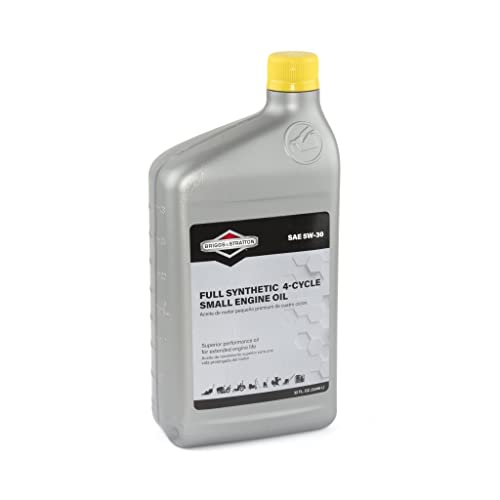
For air-cooled small engines used in lawn equipment or portable tools, 5W-30 synthetic provides quick lubrication on hot starts and sustained operation under heat. Synthetic formulas help resist breakdown and maintain deposits control, reducing engine friction during long夏 days. It is suitable for 4-stroke engines and helps keep service intervals manageable in warm environments where engines run longer between oil changes.
Buying Guide: Hot-Weather Motor Oil Considerations
When selecting motor oil for hot climates, consider viscosity, protection features, and engine type. A few key perspectives help balance performance and cost:
- Viscosity range: In hotter weather, a higher cold-start viscosity (like 20W-50) can provide a thicker protective film at operating temperature, while lighter grades (5W-40, 10W-30) may be better for modern engines with stricter efficiency requirements but still heat-tolerant when highway temps rise.
- Engine type and age: Classic and high-mileage engines often benefit from higher viscosity oils (20W-50) and additive packages that protect flat tappet cams and reduce wear. Small, air-cooled engines may perform better with 5W-30 synthetic due to faster lubrication on startup.
- Additives and protection: Look for zinc (ZDDP) in older engines, robust anti-wear additives, and detergents or dispersants that prevent sludge and deposits under heat. For engines with emissions systems, phosphorus replacement technology or seal conditioners can extend system life.
- Synthetic vs. conventional: Synthetic and synthetic-blend oils generally offer better oxidation resistance and stability at high temperatures, which translates to less oil breakdown and better film strength during long, hot drives.
- Vehicle condition and maintenance: In hotter climates, maintaining proper oil level and timely oil changes is crucial. Leaks, worn seals, or excessive engine wear can amplify heat-related problems, so choose an oil that aligns with your engine’s condition.
- Fuel compatibility and emissions: If your engine uses methanol or is tuned for performance fuels, verify compatibility with the chosen oil and consider formulations designed for high-performance or high-heat operation.
In sum, for hot weather driving, select a viscosity and formulation that maintain film strength, resist oxidation, and manage deposits. For classic cars or engines requiring extra protection against wear, higher-viscosity oils with ZDDP-rich formulations can be advantageous. Modern vehicles may benefit from advanced synthetic bases that deliver reliable protection at elevated temperatures while supporting fuel efficiency and emission controls.