Choosing the right oil additive can help protect modern engines that rely on synthetic oils. This guide highlights popular stabilizers and treatments designed to boost film strength, stabilize oil pressure, and reduce wear. Each product below targets synthetic oil users seeking smoother operation, better protection, and potential efficiency gains. The selection emphasizes compatibility with synthetic formulations and real-world performance claims from manufacturers.
| Product | Brand |
|---|---|
| Lucas Oil 10130 Pure Synthetic Oil Stabilizer – 1 Quart | Lucas Oil |
| Lucas Oil 10118 High Mileage Oil Stabilizer – 1 Quart | Lucas Oil |
| Prolube Oil Treatment – Engine Oil Additive (1QT) | Prolube |
| Prolube Oil Treatment – Engine Oil Additive (16oz) | Prolube |
| Lucas Oil 10001 Heavy Duty Oil Stabilizer – 1 Quart | Lucas Oil |
The following sections present five top choices for synthetic oil users, detailing features, benefits, and considerations to help readers compare options side by side.
Lucas Pure Synthetic Oil Stabilizer

Lucas Oil 10130 Pure Synthetic Oil Stabilizer is marketed as the world’s #1 synthetic oil additive. The formula is described as light and slick with long-lasting film strength, designed to stabilize oil pressure in modern electronically controlled engines. This product targets users who want enhanced lubrication consistency in high-tech engines that rely on synthetic oils. It may help reduce wear and protect components by reinforcing the oil film under varying driving conditions. Engine compatibility and results can vary based on current oil type and condition.
Key considerations: suitability for electronically controlled engines, compatibility with synthetic base oils, and expectations regarding film strength. Potential benefits include smoother operation and preserved oil pressure, but users should follow manufacturer recommendations and monitor oil pressure readings after application. For vehicles with very high mileage or unique engine designs, a dedicated high-mileage variant may offer additional wear protection.
Lucas High Mileage Oil Stabilizer
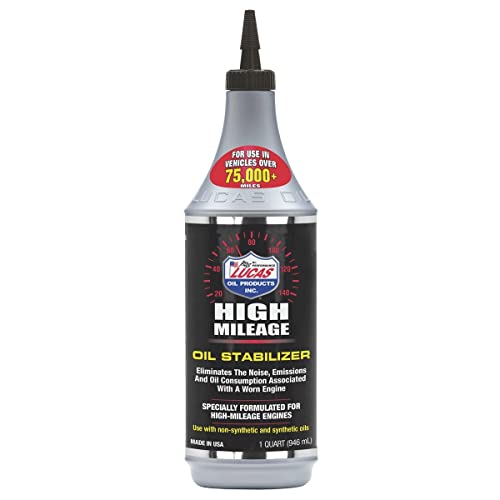
Lucas Oil 10118 High Mileage Oil Stabilizer is designed to lubricate internal parts and minimize wear in engines with higher mileage. The product claims to reduce noise, emissions, and oil consumption linked to worn components. It targets engines that may benefit from additional wear protection and smoother operation after extended use. The high-mileage variant can be a practical option for older vehicles that still rely on synthetic oil systems, though it should not replace standard maintenance intervals.
Key considerations: suitability for older engines, whether symptoms (noise, oil consumption) align with product claims, and the interaction with synthetic oil formulations. Benefits include potential quieting and reduced wear, while risks are minimal but can include changes in oil viscosity or behavior if overused. Always ensure compatibility with your engine’s manual and prescribed oil type.
Prolube Oil Treatment (1QT)

Prolube’s 1-quart engine oil treatment targets both gas and diesel engines. It emphasizes reducing wear, noise, and vibration while boosting fuel economy and horsepower. The formula claims to improve overall performance and provide smoother operation for daily driving or heavy-duty use. It also notes compatibility with transmissions and differentials, suggesting broader lubrication benefits beyond the engine itself. The product’s performance may vary with engine type, maintenance history, and operating conditions.
Key considerations: whether the vehicle’s driving profile (daily commuting vs. heavy-duty) aligns with the product’s performance claims, and how it interacts with synthetic base oils. Users should monitor for changes in noise or smoothness and consider the potential for improved efficiency if the additive can effectively reduce friction and heat under load. Routine oil changes should still follow the vehicle manufacturer’s recommendations.
Prolube Oil Treatment (16oz)

Prolube’s 16-ounce engine oil treatment mirrors the 1-quart option with emphasis on power, noise reduction, and smoother operation. It reiterates benefits like reduced wear, improved efficiency, and longer engine life through lowered friction. The larger bottle may be more economical for households performing regular maintenance on multiple vehicles or for users who prefer convenience when topping up oil additives alongside standard oil changes.
Key considerations: cost-per-ounce compared to smaller bottles, compatibility with synthetic oils, and the expected lifespan of the additive under typical driving conditions. As with any additive, users should observe for changes in engine sound, smoothness, and fuel consumption, and ensure it complements, rather than substitutes, routine maintenance practices.
Lucas Heavy Duty Oil Stabilizer

Lucas Oil 10001 Heavy Duty Oil Stabilizer is advertised as a world-leading oil additive built for heavy-duty applications. The product is formulated with 100% petroleum and is described as suitable for new engines, offering enhanced lubrication and potential wear reduction under demanding service. It is positioned as a robust option for engines that operate under high-load conditions or severe driving scenarios. As with other stabilizers, users should balance its use with standard maintenance and OEM guidance.
Key considerations: driving conditions (heavy use, towing, or high workload), engine age, and compatibility with synthetic oils. Potential advantages include improved film robustness and wear protection, while the user should monitor for any changes in oil pressure or viscosity. The product is most relevant for engines that regularly operate under stress or require additional protection beyond standard oil changes.
Buying Guide: What to Consider When Choosing an Oil Additive for Synthetic Oil
- Engine type and age: Newer engines with tight tolerances may benefit from additives that strengthen the oil film, while high-mileage engines may look for wear reducers and noise dampening.
- Oil type compatibility: Verify that the additive is specified for synthetic oils and your vehicle’s base oil grade to avoid incompatibilities or unexpected results.
- Driving conditions: Daily commuting, towing, or heavy-duty use can influence whether a stabilizer or treatment provides noticeable improvements in lubrication or noise reduction.
- Film strength and wear protection: Look for claims about film strength, reduced wear, and protection of critical components under load, especially for engines with higher mileage or demanding service.
- Fuel economy impact: Some formulations claim improved efficiency by reducing friction; consider whether this aligns with your goals and maintenance plan.
- Maintenance integration: Additives should complement routine oil changes and filter replacements, not replace recommended maintenance schedules.
- Brand and reliability: Reputable brands with clear usage guidelines tend to offer more consistent results and better customer support in case of questions or issues.
- Usage quantity and frequency: Bottle size and recommended dosage affect cost per mile and overall value; avoid over-application, which can alter oil viscosity or engine balance.
- Warranty considerations: Check if the usage of additives impacts warranties or service agreements; some manufacturers prefer sticking to sealants or approved products.
- Real-world expectations: Differences in engine design, oil formulation, and driving style mean results can vary; use additives as a supplementary measure rather than a guaranteed fix.
In selecting an oil additive for synthetic oil, readers should assess engine needs, maintenance history, and driving patterns. The five products above offer a range of approaches—from high-mileage protection to heavy-duty stabilization—allowing users to align a choice with their vehicle and expectations. Always follow product directions, and consult your vehicle’s manual or a trusted mechanic if unsure about compatibility or potential interactions with existing maintenance plans.