Spray tint for tail lights offers a quick, budget-friendly way to refresh your vehicle’s appearance while maintaining visibility. This guide highlights five popular products that balance color, durability, and light transmission. Each option targets different needs—from translucent black to blue and red tints—so you can pick the best fit for your ride and local regulations. Below are concise overviews, practical install notes, and a buying guide to help you choose confidently.
| Product | Brand | Tint Type | Notes |
|---|---|---|---|
| Rust-Oleum 253256 | Rust-Oleum | Translucent Black Spray | Easy spray-on coating; dries quickly; covers 8-10 sq ft |
| EPARTS 110ml Red Tint | HK5 | Red Tint Spray | For lenses; versatile on headlights, taillights, and more |
| VViViD+ Ultimate Tint Vinyl | VViViD | Vinyl Tint (Light Smoke) | High gloss and clarity; conformable and reusable |
| EPARTS Blue Tint 110ml | HK5 | Blue Tint Spray | Lens-friendly; sportier look; not for windows |
The following sections dive into each product, outlining benefits, installation considerations, and how they compare for different vehicle styles and compliance needs. The goal is to provide a balanced view that helps you choose a tint that preserves light transmission, enhances appearance, and withstands common driving conditions.
Rust-Oleum Automotive Lens Tint Coating
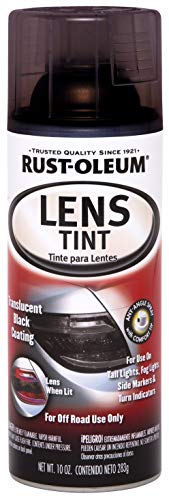
Rust-Oleum 253256 provides a translucent black finish designed to tint automotive tail lights without dulling the indicator brightness when illuminated. The formula is engineered to add color while maintaining light transmission, a critical consideration for safety and legality. It dries to the touch in about 20 minutes and covers roughly 8-10 square feet per can, making it a practical option for most sedan and SUV tail lights. The spray is widely available, and its familiar brand backing helps ensure predictable results and more standardized color consistency across vehicles. For best results, apply in light coats from a consistent distance, allowing drying time between passes to avoid drips or uneven shading.
Install considerations include masking surrounding areas to prevent overspray and checking local regulations on tint darkness for tail lights. While designed for lenses, the finish should be tested on a small area first if you’re tinting non-standard shapes or aftermarket housings. This product is suitable for owners seeking a subtle, performance-oriented tint that does not drastically alter the brightness of brake or indicator signals.
EPARTS Red Tint Lens Color Paint

EPARTS 1 X 110ml Red Tint Lens Color Paint is designed for flexibility across vehicle lighting surfaces. This red tint is marketed as suitable for headlight, tail light, side markers, and fog lamp lenses, offering a sporty, aggressive appearance without window-application guidance. The product emphasizes compatibility with most vehicles and highlights a quality-guarantee claim. If you aim for a bold red sheen that stands out under dusk or nighttime lighting, this option provides a solid color option while maintaining a practical approach to lens-based tinting. Pros include straightforward tinting on various lenses and a track record with automotive enthusiasts who favor a racing-inspired look.
When applying, ensure your target surface is clean and free of oils or waxes. Avoid applying to glass windows, as recommended by the manufacturer. Because the tint is applied to lenses, lighting performance under braking and signaling should be periodically checked after installation. The 110ml size is convenient for quick projects or touching up multiple lens surfaces across a vehicle.
VViViD+ Ultimate Light Smoke Tint Vinyl

VViViD’s Ultimate Headlight Taillight Tint Vinyl Wrap offers a premium option for those seeking a glossy, high-transparency tint with strong light transmission. Marketed as the glossiest headlight tint available, this 16″ x 10ft roll is designed for easy stretching, conforming, and re-positioning during installation. The light smoke color provides a refined, stealthy look that can enhance a vehicle’s silhouette without darkening brake or turn signals excessively. The product emphasizes usability, with a protective cap that helps preserve the vinyl’s appearance during and after installation, which is useful for DIY installers working on curved or complex lens shapes.
Application requires careful surface prep, including cleaning and drying the lens before laying down the vinyl. This option is particularly appealing for drivers who want a durable, reusable tint with excellent clarity and the option to remove or rework the tint later. Keep in mind that vinyl wraps may be more sensitive to heat exposure than spray tints, and long-term adhesion can depend on the vehicle’s climate and exposure to sunlight.
EPARTS Blue Tint Lens Color Paint

EPARTS 1 X 110ml Blue Tint Lens Color Paint presents another lens-focused option from HK5, offering a blue tint for headlights, tail lights, and related lenses. The blue tint emphasizes a sportier or more aggressive appearance, aligning with some automotive styling trends. As with other lens-focused colors, the product is intended for lens surfaces and should not be applied to windows. The blue tint can alter perceived color temperature and brightness, so testing on a small area is prudent before full installation. The kit is positioned for owners who want a distinct, cool-toned tint without the commitment or cost of full lighting modification.
Practical installation tips include ensuring the surface is free of contaminants and applying in a well-ventilated area. Given the emphasis on lens surfaces, verify that the chosen tint maintains adequate light output during braking and signaling, especially in regions with stricter tinting regulations. Blue shades can be visually striking on modern LED tail lights, but adherence to local laws remains essential for safe operation.
Buying Guide: Choosing The Right Tail Light Tint
- Legal considerations: Tint darkness and color must comply with state and local regulations. Some jurisdictions restrict tail light tint intensity or limit color choices to certain hues or opacity levels. Always confirm compliance before installation.
- Light transmission: Preserve brightness of brake, turn, and reverse signals. Translucent or lighter tints tend to maintain visibility better than deep, opaque shades. When safety is a priority, favor products designed specifically for lens surfaces with tested light transmission.
- Surface compatibility: Sprays are generally suitable for standard plastic lenses, while vinyl wraps can cover more complex shapes but may require precise trimming and heat management. Confirm whether the product is intended for lenses, windows, or both and follow surface prep guidelines carefully.
- Durability and climate: Consider exposure to sun, heat, and humidity. Some coatings resist chips and fading, while vinyl wraps may fare better for removable or temporary styling, depending on climate and UV exposure.
- Application technique: Sprays require even coats and spacing between passes to avoid drips. Wrapping demands careful shrinking, smoothing, and edge sealing. For DIY users, a product with a forgiving rework process can reduce installation frustration.
- Removal and maintenance: If you might revert to stock lighting, choose products marketed as removable with minimal residue. Expect some removal effort for vinyl wraps, and consider cleaners suitable for non-porous lens materials.
- Finish aesthetics: Translucent black yields a classic, understated look; blue or red tint shades offer sportier vibes. Decide whether you want a subtle enhancement or a bold styling statement, and select a tint accordingly.
- Installation environment: Ventilation, humidity, and temperature during application influence drying times and adhesion. Plan installations in a clean, dust-free area and allow full curing time before exposure to elements.
- Maintenance routine: Regular cleaning with non-abrasive cleaners helps sustain clarity. Avoid abrasive compounds that might scratch or dull the tint, especially on vinyl surfaces.
Finally, weigh the pros and cons of spray versus wrap options in relation to your vehicle’s usage. Sprays can be quicker and more economical for single-lens projects, but wraps may offer better long-term durability and reusability on curved surfaces. For multiple lenses or a customized look, combining a modest spray tint with a wrap on select areas can achieve both performance and style without compromising safety.