Winter driving demands reliable traction, solid handling, and lasting performance. This guide highlights five SUV-ready winter tires that balance grip, durability, and value. Each option is designed to perform in cold temperatures, slush, and ice, helping you stay safe on winter roads. Below is a quick snapshot of the chosen tires to compare key details at a glance.
| Product | Brand | Size | Notable Feature |
|---|---|---|---|
| Firestone Winterforce 2 UV | Firestone | 225/65R17 | Winter performance and grip |
| Firestone Winterforce 2 UV | Firestone | 265/70R17 | Cold-weather compound with long-lasting tread |
| Nokian Nordman North 9 SUV | Nokian Tyres | 225/65 R17 | Embedded studs for icy grip |
| Cooper Discoverer Snow Claw Winter | Cooper | 275/65R18 | Pinned for studs, Severe Weather Rated |
| Bridgestone Blizzak DM-V2 | Bridgestone | 235/55R20 | Ice traction with bite particles |
Firestone Winterforce 2 UV 225/65R17

The Firestone Winterforce 2 UV for 225/65R17 is built to keep you moving through winter conditions with a focus on dependable grip and long-lasting performance. Its winter-specific compound improves traction on wet and snowy roads, while the tread design helps maintain stability on slush and light ice. This tire is well-suited for SUVs that regularly encounter mixed winter surfaces and want predictable handling in cold months.
Firestone Winterforce 2 UV 265/70R17
Firestone’s 265/70R17 variant packs a broader footprint for SUVs, enhancing stability and grip across winter surfaces. The cold-weather compound and open shoulder slots help evacuate slush while maintaining solid traction. This tire is designed for drivers who need reliable winter performance and strong tread life for longer trips in snowy climates.
Nokian Nordman North 9 SUV 225/65 R 17
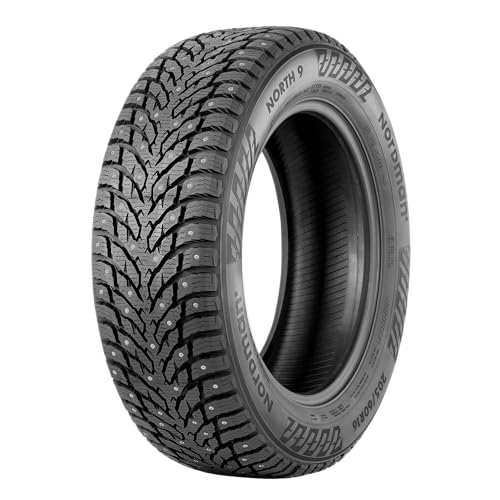
The Nordman North 9 SUV from Nokian Tyres targets winter extremes with embedded studs that deliver superior grip on icy surfaces. This tire is designed for drivers facing frequent icy conditions, offering enhanced braking and steering confidence when temperatures drop. It balances rugged winter performance with a studded option for additional traction where needed.
Cooper Discoverer Snow Claw Winter 275/65R18
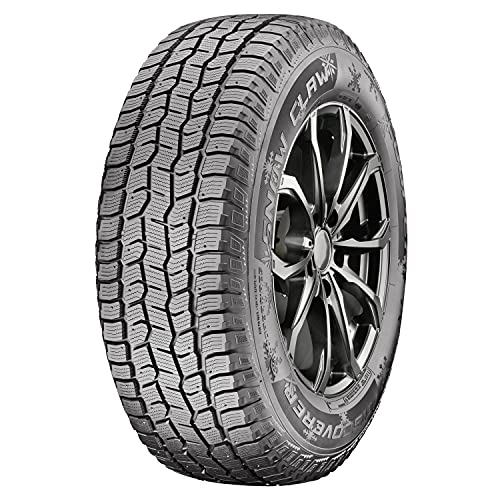
Cooper’s Snow Claw Winter tire is a premium option for pickup trucks and SUVs, featuring a design optimized for severe winter conditions. It’s pinned for studs and carries a Three-Peak Mountain Snowflake designation, indicating strong performance in deep snow and cold temperatures, making it a solid choice for rugged winter use.
Bridgestone Blizzak DM-V2 235/55R20

The Blizzak DM-V2 is a widely recognized winter tire for SUVs, emphasizing confident stopping on snow and ice, reliable winter handling, and bite particles for traction on ice. This option is well-suited for drivers who prioritize predictable braking and steady steering through winter storm conditions.
Buying Guide: Key Considerations For Winter SUV Tires
When choosing winter tires for an SUV, consider these factors to optimize safety and value:
- Climate and terrain: If you encounter frequent ice or study-heavy snow, studded options like Nokian Nordman North 9 SUV can offer superior ice grip, while studless designs excel in slush and cold temperatures.
- Tread design and compound: A winter-specific compound remains flexible in low temperatures, improving grip. Deeper tread and wider siping help evacuate snow and water for better traction.
- Size and load rating: Ensure the tire size matches your SUV’s recommended specifications. Mismatched tires can affect handling, braking, and fuel efficiency.
- Snowflake certification: Look for the Three-Peak Mountain Snowflake designation for tires certified to perform in severe winter conditions.
- studs vs. studless: Studded tires provide ice grip but can be noisier and wear faster on dry pavement. Studless tires offer solid winter performance without studded advantages.
- Ride comfort and noise: Some winter tires may produce more road noise or a stiffer ride. Consider comfort alongside traction if you drive daily.
- Dry-road performance: Even in winter, you’ll drive on bare pavement. Choose tires that balance snow/ice grip with acceptable dry handling and braking.
- Brand and warranty: Reputable brands often provide better treadwear coverage and support. Review warranty terms for winter tires.
Selecting the right tire involves weighing traction needs, road conditions, and driving patterns. For SUVs that regularly encounter ice, studs can offer an edge, while studless tires provide versatile performance across mixed winter surfaces. Consider size compatibility, certification, and brand reputation as you compare options like Firestone, Nokian, Cooper, and Bridgestone.